When the defaults just aren’t enough
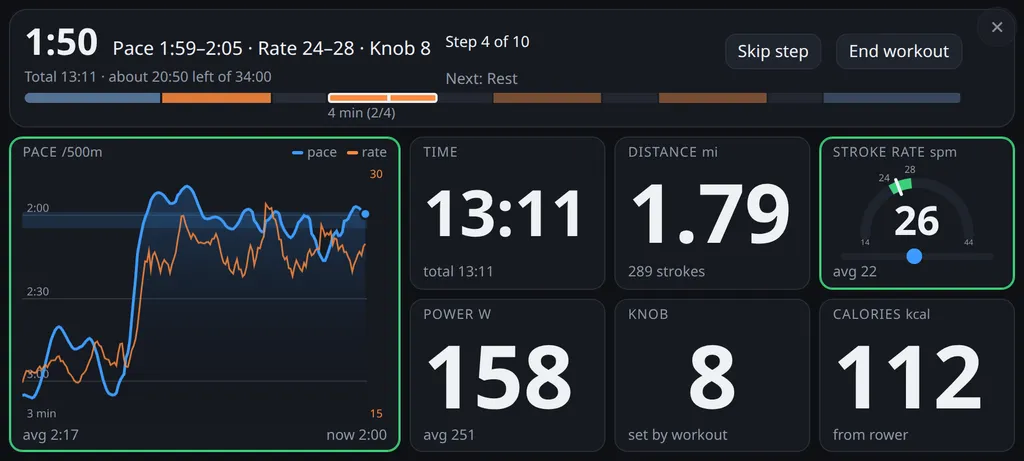
Rowlink
Rowlink is a web app for Yosuda rowing machines that connects directly to the rower over Web Bluetooth, replacing the FED Fitness app. It shows a live dashboard with pace, time, distance, stroke rate, power, and calories, runs guided interval and benchmark workouts, and saves every session in the browser with charts and export to FIT (for Garmin Connect and Strava), TCX, CSV, or JSON. There is nothing to install and no account; everything stays in local browser storage. ...
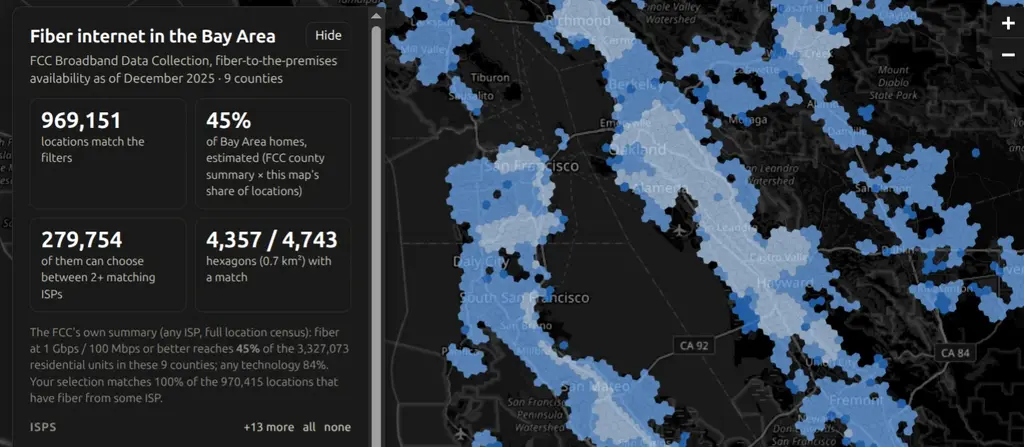
Bay Area Fiber Map
An interactive map of where fiber-to-the-premises internet is available across the nine Bay Area counties, built from the FCC’s Broadband Data Collection (the data behind the National Broadband Map). It includes every ISP that files fiber availability with the FCC (AT&T, Sonic, Comcast/Xfinity, Astound, and more), and can be filtered by ISP, minimum advertised download speed, and residential vs business locations. The map has three levels of detail depending on zoom: H3 hexagons for the whole region, 2020 census blocks, and individual building footprints from DataSF and Overture Maps. Areas can be colored by fastest available speed or by how many ISPs serve them, which makes it easy to see where there is actual competition. Clicking an area shows every ISP present, their advertised speeds, whether they reach all or only some of the locations, and a link to the same spot on the FCC’s map. ...
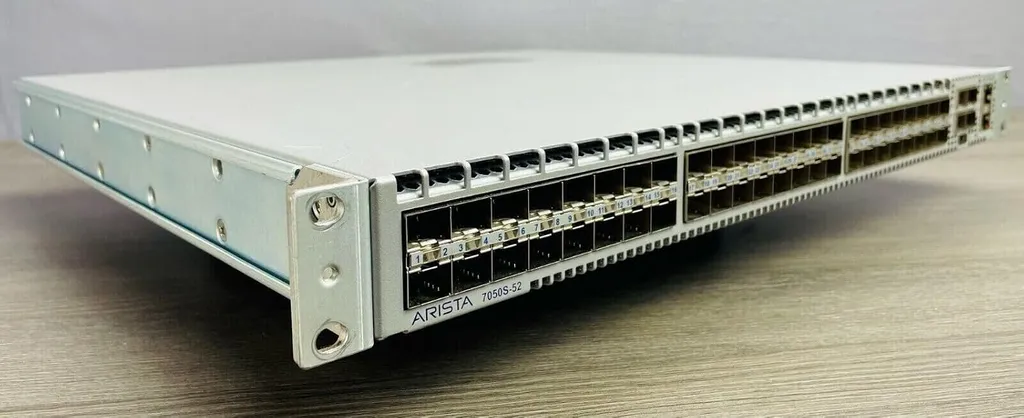
Fixing Arista 7050S Management1 "notpresent"
I recently received a used Arista DCS-7050S-64 from Ebay. However once it arrived and I logged in via the serial console, I could not bring up the management Ethernet interface. It reported notpresent and the system logs repeated SIOCETHTOOL GDRVINFO (ma1...): No such device. This hardware was long EOL, but before leaving the Ebay seller a bad review for selling faulty hardware I decided to see if I could fix this myself. ...
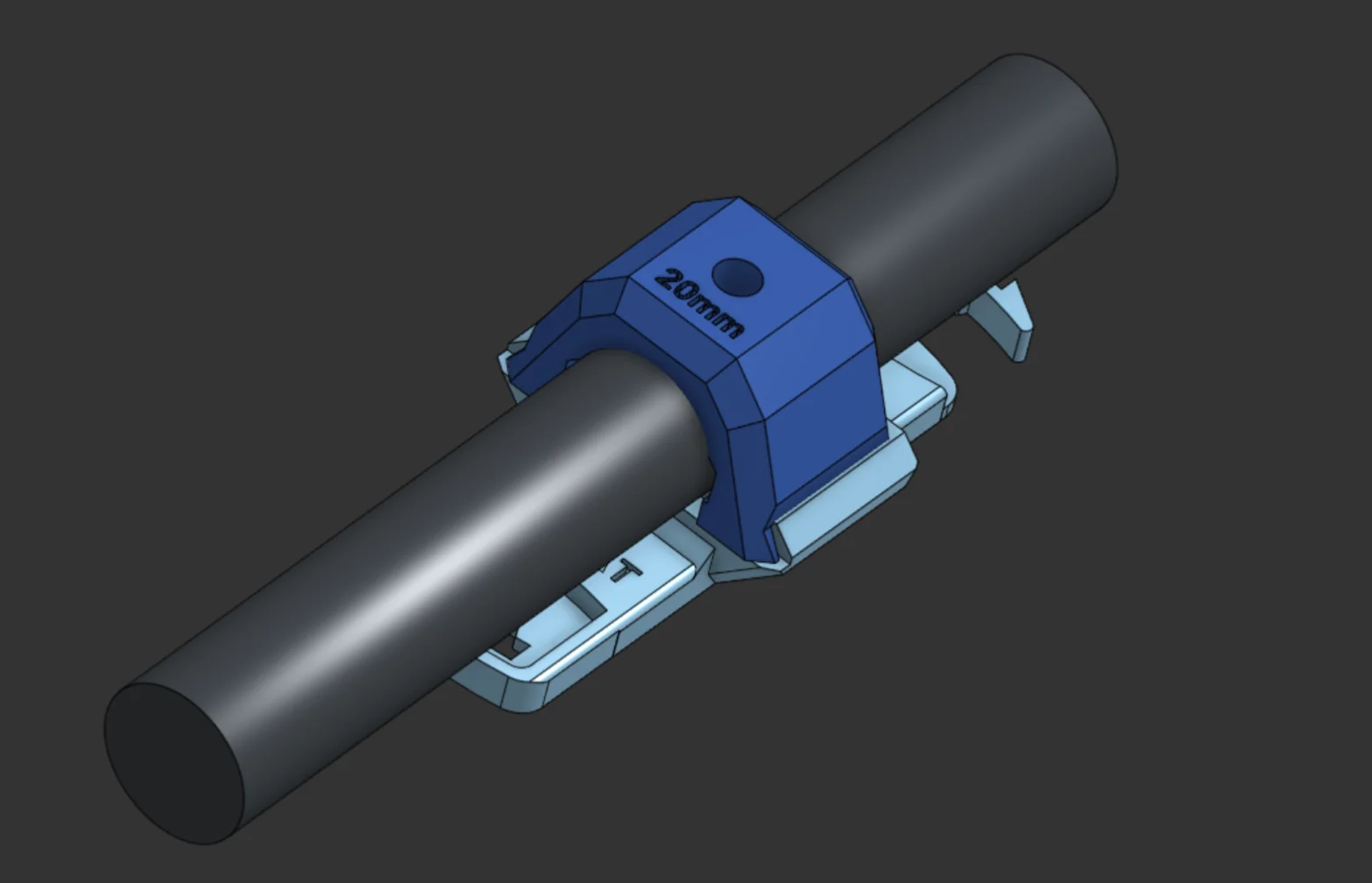
3D Printed Tripod Mounts for the BSidesSF NOC
Every year I help run the Network Operations Center (NOC) for BSidesSF, a volunteer-run information security conference in San Francisco. The NOC team builds the entire conference network from scratch in the days before the event and tears it down once it is over. The venue changes year to year, nothing is left behind, and everything has to come down without leaving a mark. The Mounting Problem Most enterprise networking gear assumes a wall, a ceiling tile, or a rack to mount to. A conference venue does not provide any of those in the places where wireless coverage is actually needed. What is available is a pile of photography light stands. They are cheap, tall, and portable. If an access point can be attached to the top of a tripod, coverage can be placed anywhere on the floor. ...

2048 Touch for Pebble
2048 Touch is an implementation of the classic 2048 sliding-tile puzzle game for Pebble smartwatches. Combine matching numbered tiles to add them together and work your way up to the 2048 tile and beyond. Board, score, and high score persist across launches so the game can be picked back up anytime. The app supports touch swipes on touch-capable models like the Pebble Time 2 (emery), and falls back to physical buttons on every other model. Long-press SELECT to start a new game and long-press BACK to exit. Supported platforms include Pebble Classic, Pebble Time, Pebble Time Round, Pebble 2, Pebble Time 2, Pebble 2 Duo, and Core Devices Pebble (aplite, basalt, chalk, diorite, emery, flint, gabbro).

The Sun vs. My Monitor: Winning the Glare War with Home Assistant
When working in my office during the day, I enjoy having my windows open to get as much natural light in as possible. However, this sometimes comes at a cost: glare. During certain times of the day, if there is little cloud cover, I get too much glare on my computer screen and it creates eye-strain, or makes reading difficult or distracting. So I took it upon myself to automate this problem away! This post outlines the process I took and how it works. ...

Linux Arbitrary File Write and Privilege Escalation with dd
The disk group seems innocent enough - it’s meant for disk management utilities. But give someone disk group access and you’ve essentially handed them root. Here’s how to exploit raw block device access to bypass all file permissions and escalate privileges. While the XKCD comic above is tongue-in-cheek, using dd for filesystem manipulation is genuinely powerful and dangerous. The Linux disk group allows raw access to disks on the system. It’s meant to allow members to use tools to manage disk partitions and format disks at the block level. However, it can also be used to get arbitrary file read/write by directly editing the disk contents even if file system permissions forbid it. For this reason it is a very privileged group and should be considered equivalent to root access. ...
Cloudflare WARP Config Generator
A browser-based and CLI tool for generating WireGuard configurations compatible with Cloudflare WARP. The application generates keypairs locally in the browser or CLI, registers them with Cloudflare’s WARP API, and outputs a complete WireGuard configuration file with QR code for easy mobile import. All processing happens client-side with no server-side storage. Configuration options include DNS server selection, MTU adjustment, allowed IPs, and persistent keepalive settings. A command-line shell script is also available for terminal-based workflows. ...
MikroTik SwOS Python Library
Got a bunch of MikroTik switches running SwOS or SwOS Lite with no good way to manage them centrally? This library has you covered. Built by reverse engineering the SwOS HTTP API, it provides complete programmatic access to all switch features. Works with both SwOS and SwOS Lite, supports everything from port configs and PoE to VLANs and SNMP settings. Comes with a CLI tool for quick lookups and a full Ansible module for managing your entire switch fleet through YAML playbooks. Compatible with CRS305, CRS310, CRS326, CSS610 and other SwOS-based switches.

TRMNL Plugins
A collection of custom plugins for TRMNL e-ink displays. The repository provides a Docker-based development environment for creating and testing plugins that extend TRMNL functionality.

Software Supply Chain Security: The Case for Minimal Dependencies
In 2016, removing an 11-line npm package called left-pad broke thousands of projects worldwide. Nine years later, attackers compromised packages with 2.6 billion weekly downloads using phishing and self-propagating malware. The Problem: A Decade of Escalating Supply Chain Attacks Timeline March 2016: Left-pad incident - removing an 11-line dependency broke thousands of projects including Babel and React. October 2021: ua-parser-js compromise - library with 7M+ weekly downloads hijacked multiple times, injecting cryptocurrency miners and password stealers. ...
Drouter
Drouter provides dynamic route injection for Docker containers through label-based configuration. The systemd service monitors Docker containers and automatically configures static routes in their network namespaces without requiring elevated privileges within the containers themselves. The system uses Docker labels to specify routing rules and applies them automatically when containers start or stop. This enables complex networking setups where containers need custom routing tables while maintaining security by avoiding privileged container execution for network configuration tasks.
Drouter: Dynamic Route Injection for Docker Containers
When working with Docker containers on complex networks, you often need to add static routes so containers can reach networks that aren’t directly connected to their default gateway. This becomes especially important when using macvlan network drivers where containers get their own IP addresses on your physical network. I’ve just released drouter, a lightweight systemd service that solves this problem by automatically injecting routes into Docker containers based on simple labels. The Problem Consider this scenario: you’re using a macvlan network driver so your containers get real IP addresses on your network (say 192.168.1.0/24). Your router is at 192.168.1.1, but you have additional internal subnets like 10.0.0.0/8 that are reachable through a different gateway at 192.168.1.254. ...
ARIN IPv4 Waitlist Tracking
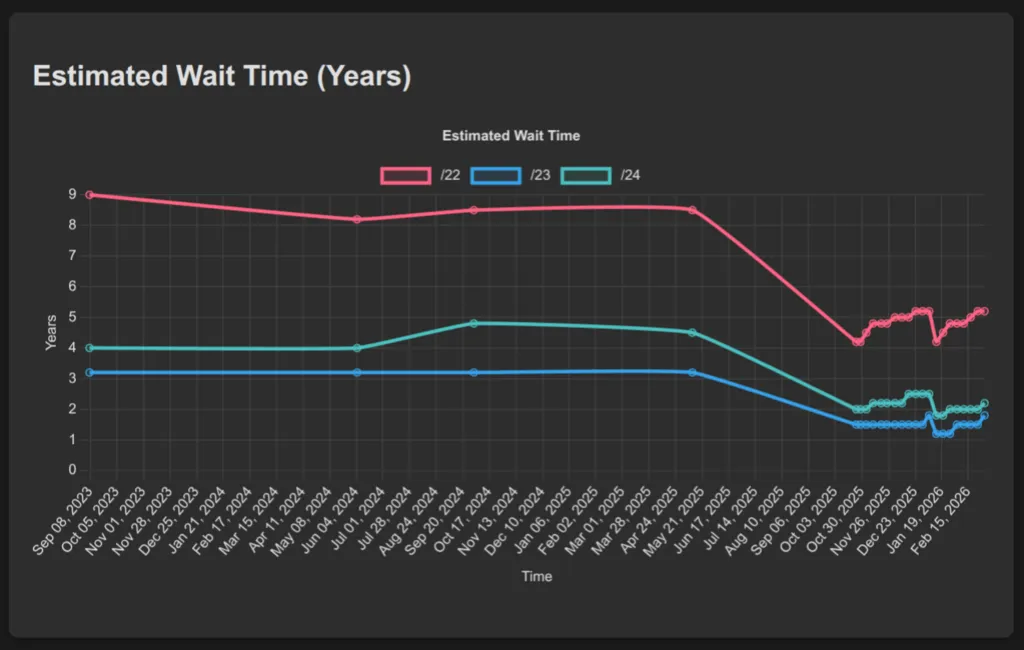
ARIN IPv4 Wait-list Tracking analyzes ARIN’s IPv4 address wait-list and provides statistical insights into wait times and allocation patterns. The Python-based system tracks historical data on IPv4 block requests and clearances to estimate processing times for different network block sizes. The web dashboard displays real-time analytics including current wait-list sizes, estimated wait times for /22, /23, and /24 blocks, and historical trends in IPv4 address allocation. This tool helps network administrators understand IPv4 scarcity patterns and plan address allocation strategies as IPv4 exhaustion continues.
ESPHome ESP32 Coredump Debugging
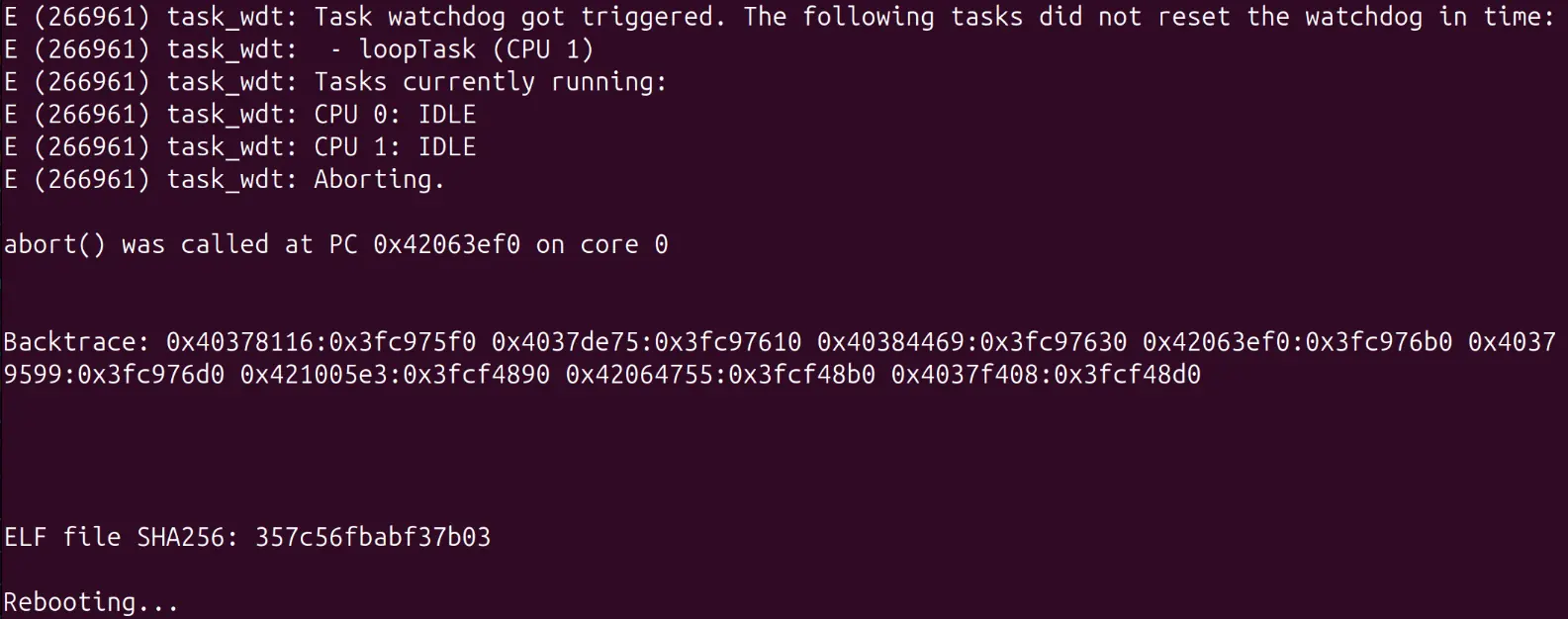
When developing with ESPHome on ESP32 devices, crashes can be frustrating to debug without proper stack traces. Enabling coredumps provides detailed crash information to help identify the root cause of issues. Configuration To enable coredump functionality, you’ll need to modify your ESPHome configuration and create a custom partition table. This setup is for the Arduino framework - ESP-IDF configurations will differ slightly. ESPHome Configuration Add the following to your ESPHome YAML configuration: ...